
HOKKAIDO
SHINSHINOTSU RICE
The Gift of Wellness from Northern Japan


About the Shin-Shinotsu Village Export Promotion Council
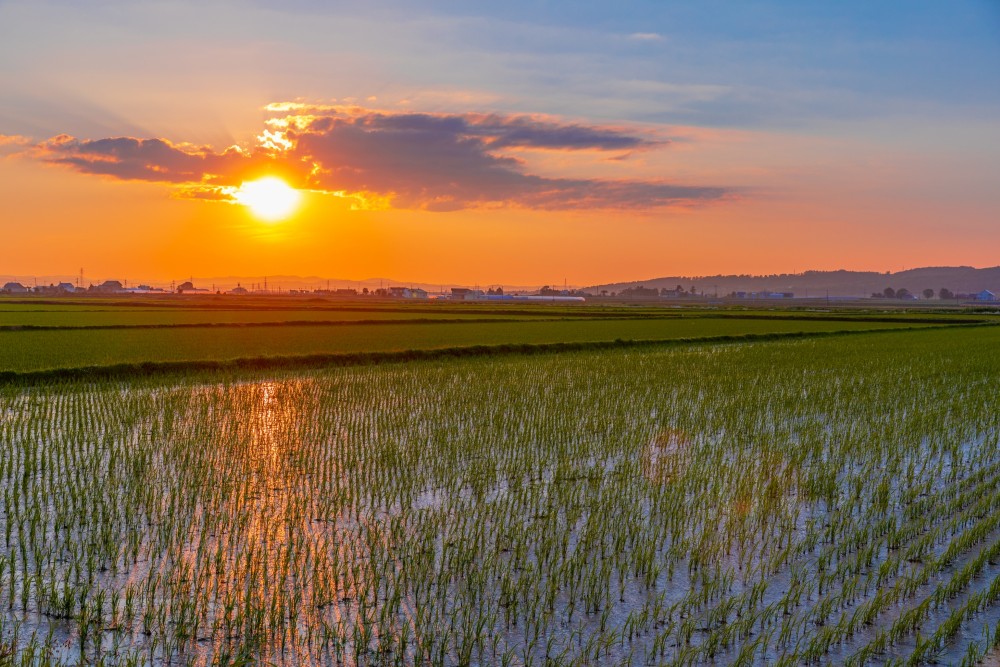
With clear blue skies, abundant sunlight, and vast greenery, Shin-Shinotsu Village is located in the heart of the Ishikari Plain and is a purely agricultural region. With rice as our staple, we cultivate diversified crops such as wheat, beans, vegetables, and flowers. We are committed to “clean agriculture” centered on soil enrichment, producing crops that are gentle on the natural environment.
In recent years, as interest in health and safety has grown, expectations for clean agriculture have reached new heights. To supply safe and delicious produce, our council focuses on maintaining cultivation records and reducing the use of chemical fertilizers and pesticides. We aim for harmony with the environment to produce crops that bring joy to consumers.
Protecting and advancing agriculture—the industry of human life—is the mission of those involved in it, and the foundation of agriculture is “people.” Based on the cooperative philosophy of “One for all, and all for one,” our council is dedicated to the development of agriculture and rural communities to meet the expectations and trust of residents and consumers. To establish a promising future for agriculture, we cherish the “soil” and value agriculture created by “people” for “people.”
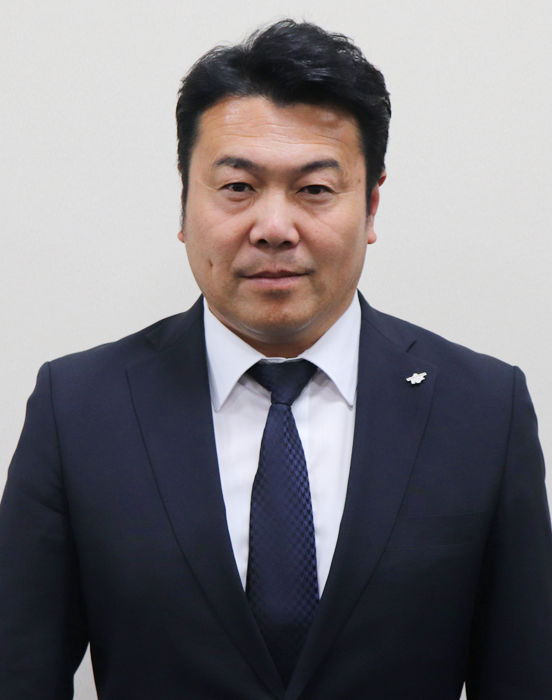
Koichi Nagaya
Chairman, Shin-Shinotsu Village Export Promotion Council
Organization Overview
Overview
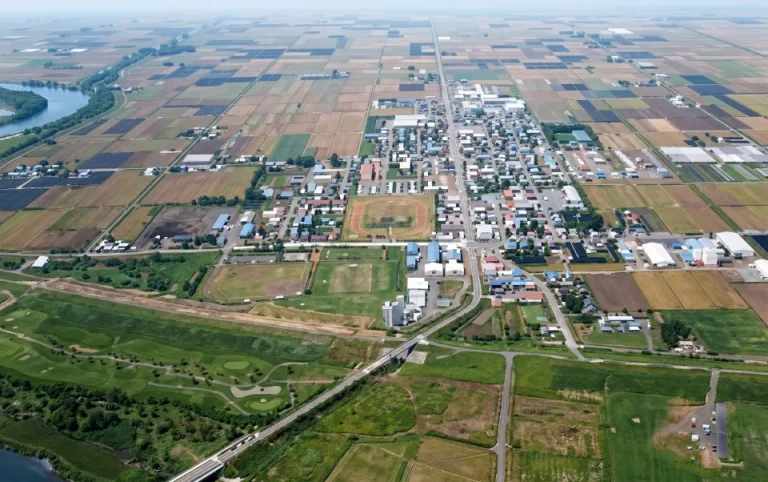
Shinshinotsu Village is located at the eastern edge of the Ishikari region on the western Ishikari Plain, approximately 36 km from central Sapporo. It borders Kitamura (across the Ishikari River) to the east, Tobetsu to the west, Ebetsu to the south, and Tsukigata to the north. As of March 1, 2020, the population is 3,030. Of its 78.24 $km^2$ total area, approximately 65% is farmland. The agricultural economy centers on rice, integrated with upland crops such as wheat and pulses, as well as vegetables and floriculture.
One of Hokkaido’s Largest Rice-Producing Areas
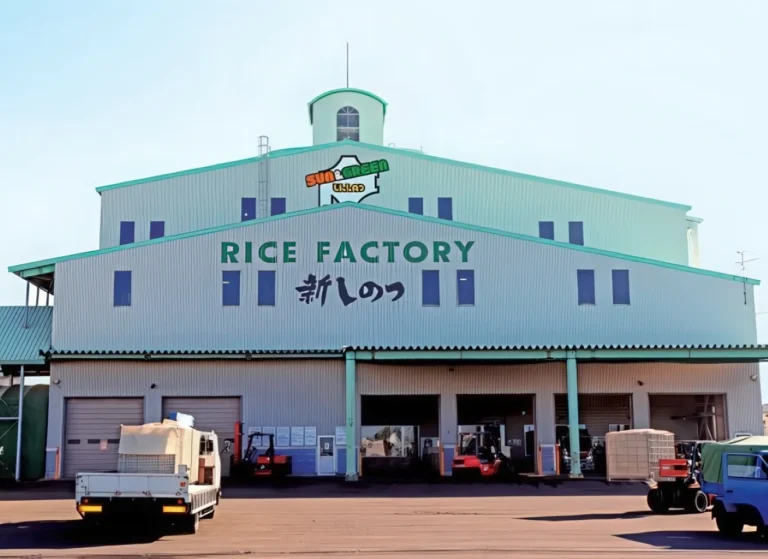
Shinshinotsu is a premier rice-producing region in Hokkaido. As of January 31, 2020, the village has 4,822 hectares of paddy fields managed by 241 farming households. With an average farm size of 20.0 hectares per household—one of the largest scales in the prefecture—the area serves as a critical food supply base for the Central Hokkaido region.
Clean Farming Initiatives
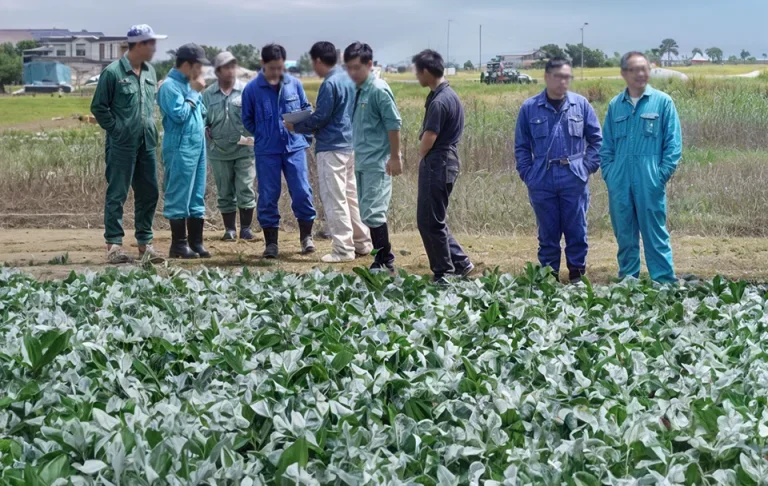
Under the motto of “Safety and Peace of Mind,” we focus on reducing chemical pesticides and fertilizers. Key practices include:
Establishing a “Safety and Peace of Mind” System
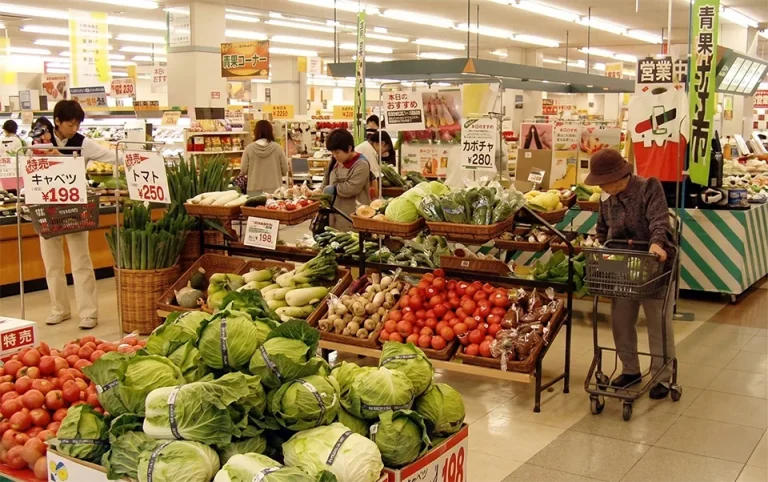
To meet the demand for transparency in pesticide standards, we have made cultivation logs mandatory for all agricultural products. Farmers record:
The Story of Shinshinotsu’s Land Reclamation:
Over 130 Years of History
Early Settlement and Hardship
The history of Shinshinotsu Village began in 1883 with the arrival of the first settlers. Starting in 1894, organized groups from Toyama, Ishikawa, and Hyogo prefectures settled in the area. In 1896, the village became independent from the Shinotsu district of present-day Ebetsu City.
Until the end of World War II in 1945, the region was primarily used for upland farming. However, agricultural conditions were severe due to the inherent challenges of peatland and frequent disasters, including flooding of the Ishikari River and repeated cold-weather damage.
Transformation into Rice Paddies
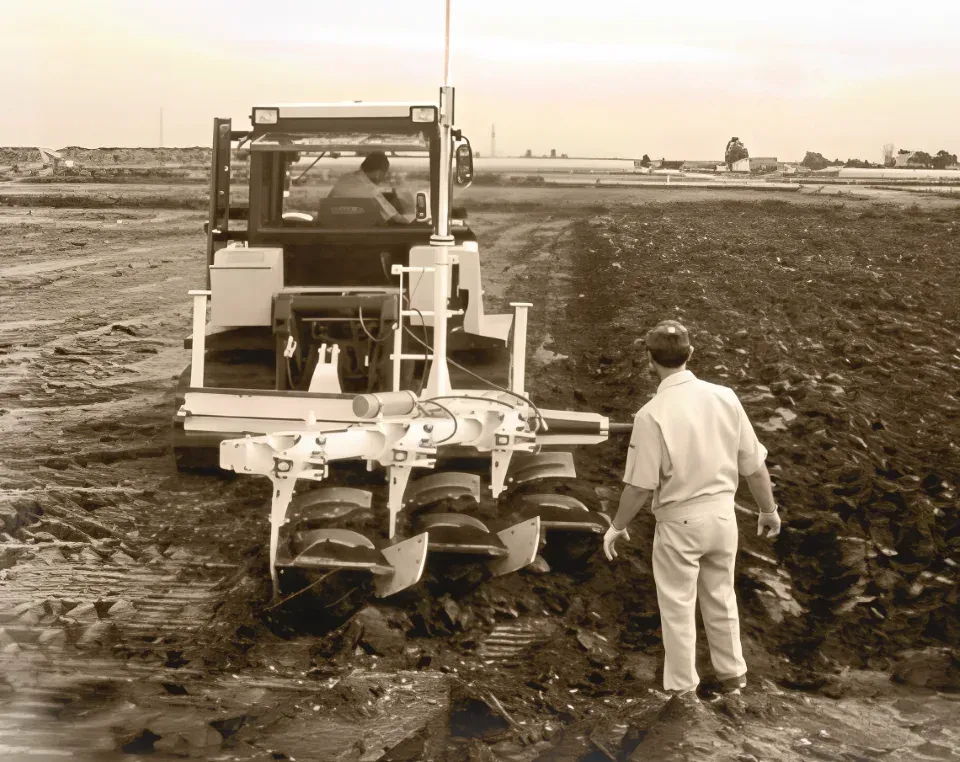
In 1955, the “Shinotsu Region Peatland Development Project” was launched to modernize the land. This massive undertaking involved:
By the early 1960s, the transition from upland fields to rice paddies was complete.
Modern Shinshinotsu
Decades of dedicated land improvement projects have completely transformed the landscape. The harsh environment of the past has been replaced by the vast, flourishing rural scenery that characterizes the village today.